

How To Store Farm Fresh Eggs

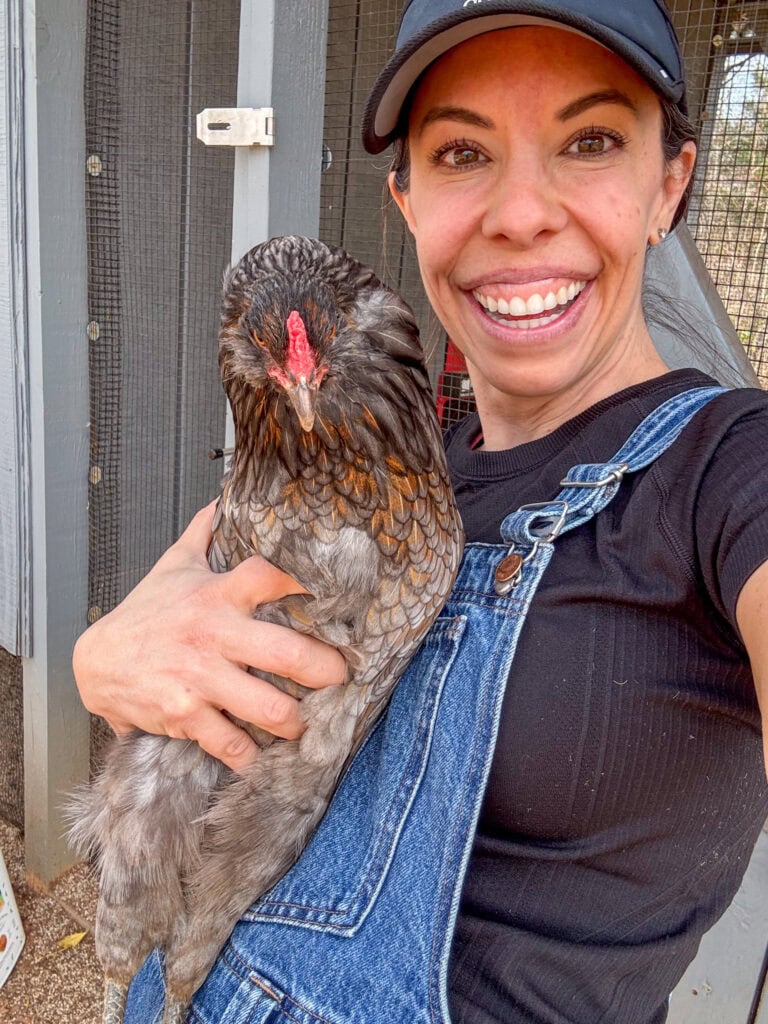
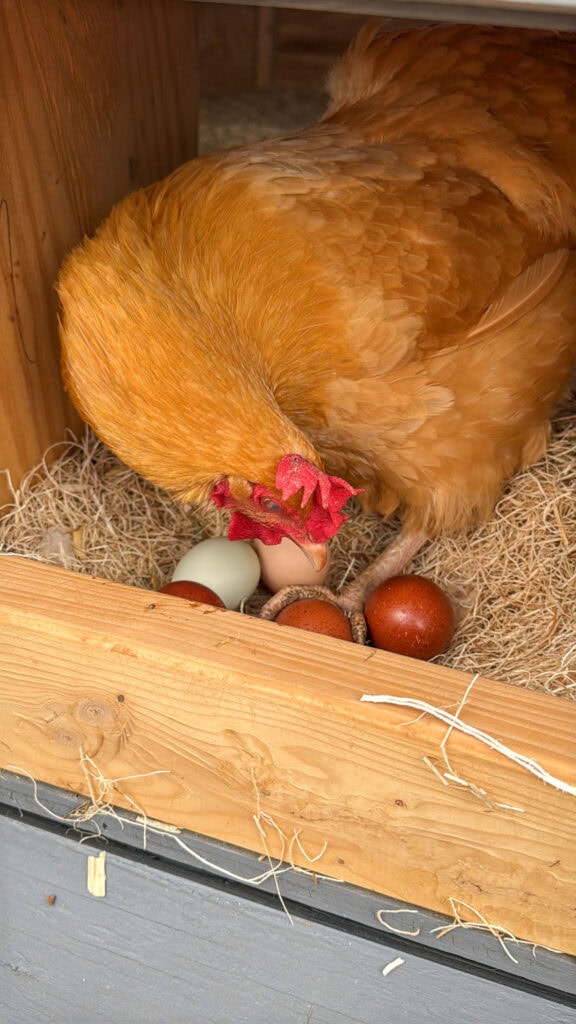
You might be thinking this is a funny post for someone to write unless they actually have chickens now, and happy update: now we do! Our hens have been laying for over 6 months now and I don’t foresee getting fresh eggs daily ever getting old. It still feels a little magical to head outside, collect a few warm eggs from the nesting boxes, and bring them into the kitchen.
Now that I’m using these tips in real life, I wanted to refresh this post with what I’ve learned along the way. Farm-fresh eggs are still one of my favorite foods to keep on hand. They’re versatile, protein-rich, and just plain satisfying, especially when they come from your own backyard flock.
Eggs are some of the best protein sources you can find with their versatility and adaptability to so many protein-rich snacks and meals. However, not all eggs are created equal. I believe any egg is better than no egg at all, but there are some differenced between them.
Store-bought eggs are improving on offering high quality varieties, but farm-fresh eggs are something special. In general, farm-fresh eggs are more flavorful and have brighter yolks than their store-bought counterparts. Whether you have your own backyard flock, or you’re lucky enough to know someone down the road who sells farm-fresh eggs, I highly recommend seeking some out and seeing if you can taste the difference for yourself.
Farm-fresh eggs tend to be healthier for you with vibrant yellow yolks and bright egg whites. This is because most farm-fresh eggs come from chickens that are allowed to forage for their own food which leads to eggs that are higher in nutrients. I always giggle at the “100% vegetarian fed” messaging on some egg cartons because chickens aren’t vegetarians. Their varied diets include worms and grubs that help add nutrients to their eggs.
Farm-fresh eggs have different storage requirements than store-bought eggs. I’ve gathered together a few must-know tips for storing farm-fresh eggs so the next time you’re ready to make an omelet or some hard-boiled eggs you have the freshest eggs available.
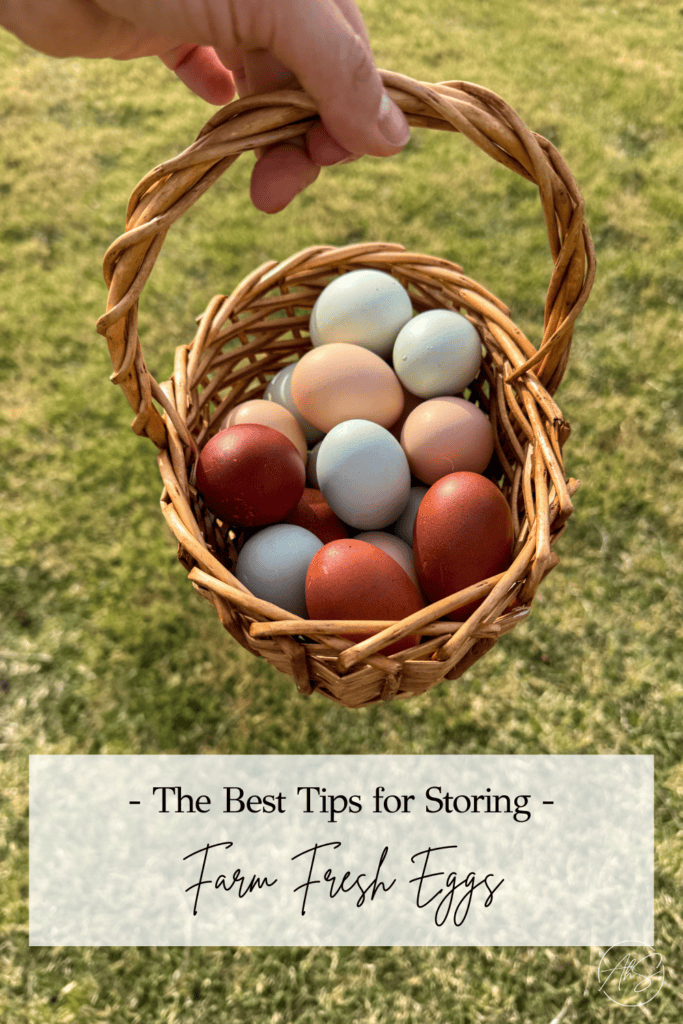
How To Store Farm Fresh Eggs
You have a few options when it comes to storing farm-fresh eggs. Here are some tips that will help you store your eggs so they’re as fresh when you eat them as they were when you collected eggs from the nest boxes of your backyard flock.
Unwashed Eggs Are Best Stored At Room Temperature
Freshly laid eggs come with a natural protective layer on the shell, often called the bloom. That layer helps shield the inside of the egg, which is why many people prefer to leave clean eggs unwashed until they’re ready to use them.
Here’s what I do now:
- Check eggs as I collect them and toss any that are cracked. If a shell is cracked, bacteria can enter more easily and the egg may not be safe to eat.
- If an egg just has a little dirt on it, I brush it off dry instead of washing it right away.
- If I know I’m going to store eggs longer, I prefer refrigeration because it helps extend shelf life and keeps storage simple. FDA says eggs should be stored promptly in a clean refrigerator at 40°F or below.
How to Properly Clean Freshly Laid Eggs
Sometimes an egg is muddy or messy enough that dry brushing just isn’t going to cut it. In that case, wash only the eggs you need to wash.
A few helpful tips:
- Use warm water, not cold. A warmer rinse is the standard advice because colder water can pull bacteria inward through the shell.
- Wash gently with your hands or a soft brush- I love my GoodEgg Silicone Brush
- Dry the eggs and move them to the refrigerator afterward.
- I try not to wash a whole batch unless necessary, because once that natural outer layer is gone, the eggs should stay chilled.
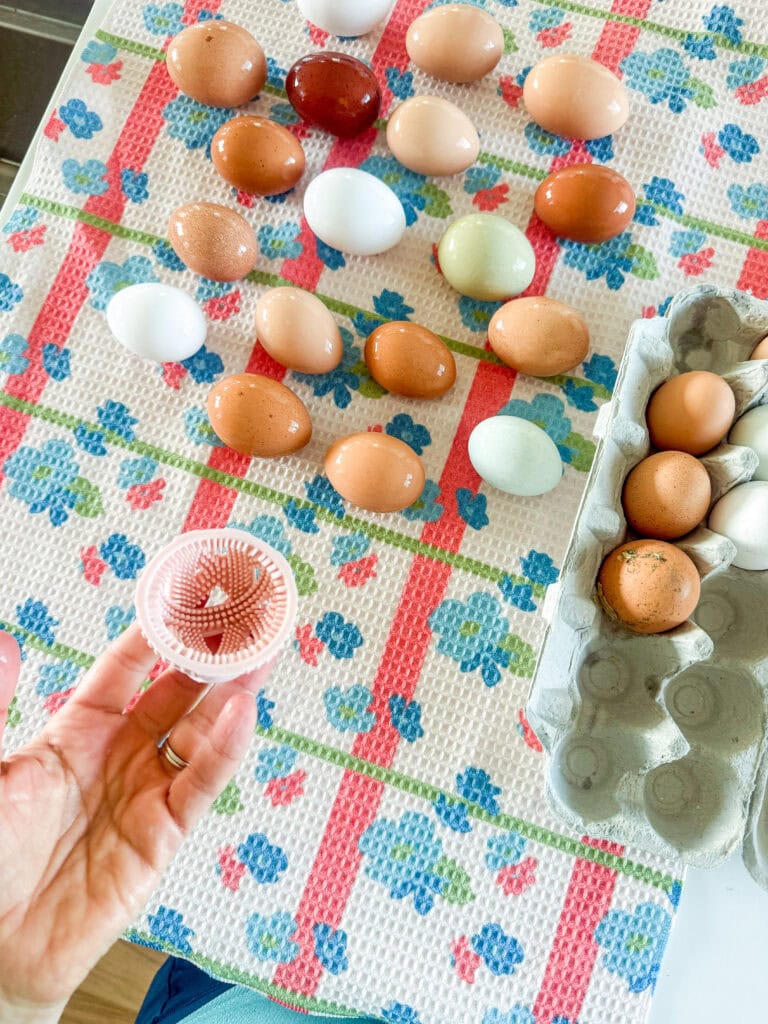
If You Wash Your Eggs, Store Them in The Refrigerator
Once eggs have been washed, I store them in the refrigerator right away. FDA recommends keeping eggs in a clean refrigerator at 40°F or below and storing them in their original carton for best quality.
A few practical tips that have helped me:
- Keep them in a carton instead of loose in the fridge so they’re protected and easier to date.
- Store them in the main body of the fridge, not the door, where temperatures fluctuate more. That helps preserve freshness longer. FDA specifically recommends keeping eggs in their original carton in the refrigerator.
- If you want to be extra organized, place them narrow end down. It’s a small thing, but many backyard chicken keepers swear by it for helping preserve quality a little longer, and it makes cartons look neat too.
Keep Track of Your Eggs to Use the Oldest Eggs First
It’s helpful to have a system in place that will keep track of the age of your eggs. This allows you to use up your oldest eggs first. There are a few ways you can store freshly laid eggs that’ll keep track of your egg’s age. Which option you choose will depend on how many eggs you have and how quickly your family eats this protein-rich food.
- Find — or build — a countertop egg storage rack. Egg skelters have a spiral shape, so the oldest egg is at the back, and the newer eggs slide down to the front. You can also find wooden tray options that use the same system.
- Label egg cartons using a permanent marker with the day of the week you collected your eggs. If each egg carton is assigned a day you’ll know exactly when your eggs were collected.
- Write the egg collection date right on the shell with a pencil! Markers and pens will leech into the absorbent eggshell, but pencil marks will sit on the surface of the shell so you can easily read what you wrote.
A Few Extra Tips I’ve Learned Since We Got Chickens
Now that we’re collecting eggs regularly, a few little habits have made a big difference.
First, I try to gather eggs consistently instead of leaving them in the nesting boxes too long. The cleaner they are when they come in, the less likely I am to need to wash them later.
Second, I date cartons or pencil the collection date onto the shell if I want to stay organized. When you suddenly have a lot of eggs on hand, using the oldest first becomes much more important.
Third, I’ve learned that pretty storage is only helpful if I’ll actually use it. A countertop egg skelter is great for eggs you plan to use soon, while a two tier egg storage tray in the fridge is still my favorite for longer storage.
Freshly laid eggs are such a fun, practical thing to have on hand, and getting fresh eggs daily still feels exciting around here. Whether you keep them on the counter briefly, move them to the fridge for longer shelf life, or wash only what you need, a few simple storage habits can help keep your farm-fresh eggs in great shape until you’re ready to use them.
Do you have any tips for storing farm-fresh eggs? Let me know if any tip surprised you in the comments!

Advertisement - Continue Reading Below
Latest


Advertisement - Continue Reading Below