

EVERYDAY UNITY AMONG EVERYDAY NIGERIANS
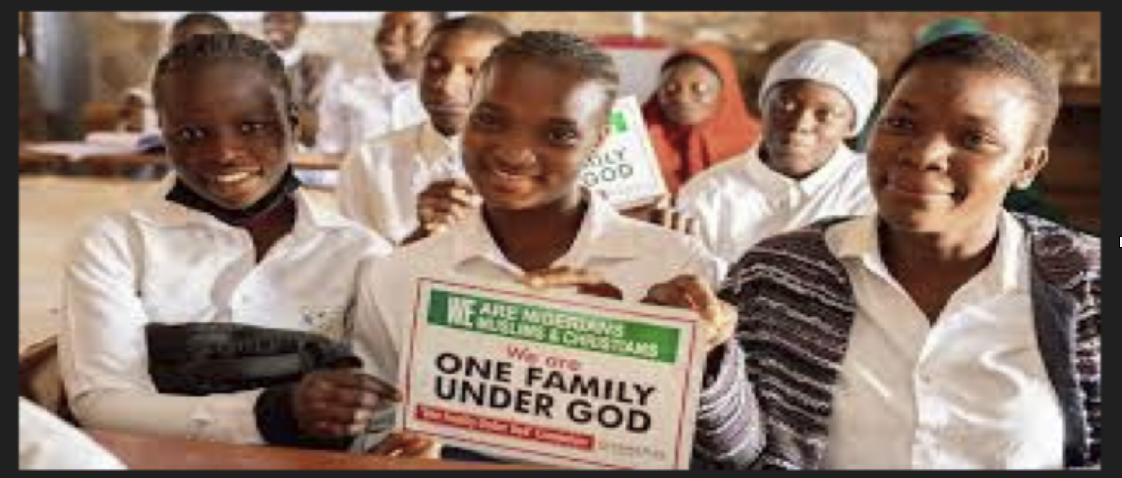
Nigeria is a country defined by diversity, yet the everyday experiences of its citizens reveal a quiet, consistent unity that holds the nation together. Beyond political debates and regional differences, ordinary Nigerians demonstrate cooperation, tolerance, and mutual support in ways that often go unnoticed but are vital to national cohesion. Across markets and business districts, traders from different ethnic groups rely on one another. A Yoruba trader may help a Hausa colleague set up a stall an Igbo shopkeeper may watch over a neighbor’s goods, regardless of religious differences. These interactions are not formal agreements they are acts of trust built through daily living.
In residential areas, Muslims and Christians frequently live side by side, sharing compound spaces, exchanging meals, and celebrating life events together. During festive seasons such as Christmas, Eid-el-Fitr, and Easter, neighbors exchange food and goodwill, showing that religious differences do not diminish a sense of community. This simple tradition of sharing strengthens relationships and fosters mutual respect.
Workplaces also reflect this unity. In offices, factories, schools, and hospitals, Nigerians work collaboratively to solve problems, provide services, and achieve shared goals. Teamwork spans across cultural lines, and employees judge one another by commitment and character rather than ethnic background. The success of many institutions across the country is proof that unity is both natural and practical.
Young people play a key role as well. In schools, universities, and youth programs, friendships are formed across regional boundaries. Students work together in groups, participate in sports, engage in academic competitions, and use social media to advocate for peace and understanding. Their interactions show a generation that values collaboration more than division.
Furthermore, shared challenges often deepen this unity. Whether facing floods, security concerns, or economic difficulties, communities frequently come together to support victims and aid. Compassion is extended not because of similarity in tribe or religion but because of shared humanity. These everyday interactions may appear ordinary, but they reflect a powerful truth unity in Nigeria is already alive at the grassroots. While national issues may create tension from time to time, the daily behavior of ordinary Nigerians shows that coexistence is not only possible but already being practiced.

Advertisement - Continue Reading Below
Latest


Advertisement - Continue Reading Below